
__hanoi-water-puppets.jpg)
__angkor-wat-blue-reflections.jpg)
__vientiane-buddha-park-monks.jpg)
Exploring the top 07 best waterfalls in Laos - Handspan Travel
2Laos is a land of misty mountains, lush tropical forests, winding rivers, and spectacular waterfalls. Far from the busy streets of its cities, the country offers peaceful natural landscapes where travelers can slow down, reconnect with nature, and discover the beauty of Southeast Asia. From turquoise limestone pools in the north to powerful cascades hidden within the southern highlands, the waterfalls in Laos are among the country's most memorable natural attractions. Let’s explore the top 07 waterfalls in Laos with Handspan Travel!
Through this blog post, you will find the following pieces of information.
Best time to visit waterfalls in Laos
The best time to visit the waterfalls in Laos depends on the landscape you want to experience, your preferred activities, and the seasonal water levels. The rainy season in Laos lasts from May to October. At this time, you can expect heavier water flow, greener vegetation, and more dramatic cascades. Waterfalls such as Tad Fane, Tad Yuang, and the Mekong falls can look particularly powerful during this period. However, heavy rain may make forest trails slippery, affect road conditions, and increase risks around rivers and natural pools.
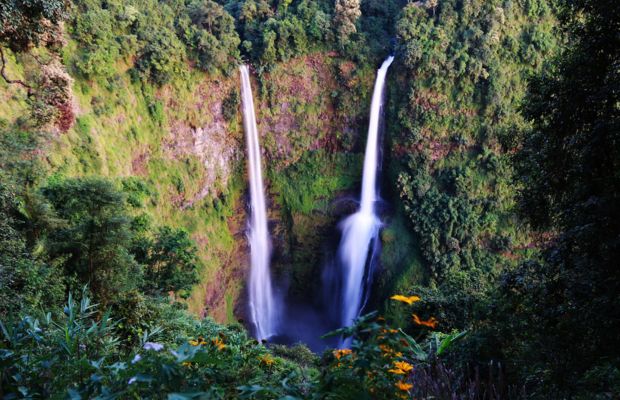
Tad Fane Waterfall
Meanwhile, in the dry season from November to April, it is more convenient for road travel and outdoor sightseeing, with generally drier conditions across much of the country. Kuang Si may still offer beautiful turquoise pools, while waterfalls on the Bolaven Plateau can vary considerably in volume as the dry season progresses.
If you hope to combine waterfall visits with trekking, cycling, or exploring rural villages, the cooler months can be particularly comfortable. However, Tad Sae and other seasonal falls may have reduced water flow, so you may want to check conditions before visiting is essential.
In general, the period after the main rains can offer a useful balance between flowing waterfalls and more manageable travel conditions, although the ideal timing varies by destination.
The top 07 best waterfalls in Laos
The waterfalls in Laos are more than beautiful places to take photographs. They offer opportunities for swimming in natural pools, walking through tropical forests, discovering local communities, and enjoying the peaceful atmosphere of the Lao countryside. Below are the top 08 best waterfalls in Laos that you should visit.
Kuang Si Waterfall
Located approximately 30 kilometres southwest of Luang Prabang, Kuang Si Waterfall is one of the most famous waterfalls in Laos. Its distinctive turquoise pools, cascading limestone terraces, and lush tropical surroundings make it a highlight of many Laos itineraries. The main waterfall plunges down a steep limestone face before flowing through several smaller cascades, creating a series of natural pools beneath the forest canopy. Here are some things to do at Kuang Si Waterfall, one of the most beautiful waterfalls in Laos.
- Cooling off with a dip in the waterfall
One of the best things to do at Kuang Si Falls is swimming in the designated pools. The water here remains cool and crystal-clear year-round, making it an ideal spot to take a refreshing dip The cool water provides a refreshing break from sightseeing, while the surrounding greenery creates a peaceful atmosphere.
- Snapping the perfect photo on the iconic wooden bridge
The wooden bridge spanning the stream at the base of the waterfall is the site’s most famous photo spot. From here, you can capture the majestic backdrop of water cascading from a height of 60 meters, framed by the lush green of the surrounding forest.
- Exploring the Tat Kuang Si Bear Rescue Centre
Located along the path leading to the main waterfall, this center provides care and sanctuary for dozens of rare Asian bears rescued from poachers' traps. You can watch them play, climb, or nap in adorable wooden hammocks and learn about efforts to protect this type of bear.
- Hiking to the top of the waterfall
For those with an adventurous spirit, a small trail beside the waterfall leads to the summit. While the path can be steep and slippery, the reward upon reaching the top is a perfectly tranquil setting, featuring a calm pool and a sweeping, panoramic view of the valley below.
The best time to visit Kuang Si Falls depends on your preferences. During and shortly after the rainy season, the waterfall can be especially powerful, although heavy rainfall may affect water clarity and swimming conditions. In drier periods, the pools may appear calmer and more inviting, depending on recent weather. For travellers who want to explore the area's natural and cultural attractions together, Handspan Travel's Highlights of Laos tour package includes a visit to Kuang Si Falls alongside Luang Prabang's temples and the famous Pak Ou Caves.
Tad Sae Waterfall
If you are looking for more waterfalls in Laos near Luang Prabang, Tad Sae Waterfall is another choice. Situated southeast of the city along the Nam Khan River, Tad Sae is known for its broad, tiered cascades that spread across pale limestone rocks. During periods of sufficient water flow, the waterfall forms attractive natural pools surrounded by trees and dense vegetation.
Compared with Kuang Si Falls, Tad Sae can offer a different atmosphere, with wide cascades rather than one dominant waterfall. Visitors can spend time walking around the lower levels, relaxing in the natural surroundings, or taking photographs of the flowing water. Some pools may be suitable for swimming when conditions permit.
Reaching Tad Sae commonly involves travelling by road to a riverside departure point and taking a local boat, depending on current access arrangements. This short journey can become part of the adventure, offering glimpses of the riverbanks and countryside around Luang Prabang. Water levels are particularly important when planning a visit. Tad Sae is generally most impressive when there is enough water flowing over its limestone terraces, while the cascades may become much smaller during the dry season. You may want to check local conditions before making the trip to avoid disappointment.
Tad Fane Waterfall
Located in southern Laos, Tad Fane Waterfall is one of the most dramatic waterfalls in Laos. Set within the lush Bolaven Plateau, this spectacular natural attraction features two parallel streams plunging into a deep forested gorge. The impressive height of the cascades and the surrounding mountain scenery make Tad Fane a favourite destination for photographers and adventure seekers.
The Bolaven Plateau is known for its cooler climate, fertile volcanic soil, coffee plantations, and ethnic minority communities. A visit to Tad Fane therefore offers more than a quick stop at a waterfall. Let’s explore some things to do at Tad Fane Waterfall with us!
- Ziplining across the valley at a breathtaking height
This is an iconic activity at Tad Fane that every thrill-seeker dreams of experiencing at least once. The zipline system consists of four cables, stretching up to 470 meters, which allow you to fly more than 300 meters above the valley floor, offering a bird’s-eye view of the twin waterfalls as they cascade down.
- Sipping coffee while suspended in mid-air
Instead of sitting in a traditional café, you will be secured by staff into a suspended table-and-chair setup fixed directly onto the zipline cables, hovering amidst the deep, forested chasm. Here, you can take your time to enjoy a delicious cup of coffee, grown right on the Bolaven Plateau, while gazing at the waterfalls cascading directly before your eyes.
- Testing your courage with a "starry-sky" hammock experience
If simply sipping coffee isn't quite enough of a thrill, take it to the next level by lounging in a hammock suspended high in the air. Secured to cables via a specialized safety system, the hammock allows you to lie back and gaze at the sky, listening to the wind whistling past your ears and the thunderous roar of the waterfall cascading below.
- Trekking through the lush vegetation of Dong Hua Sao National Park
You can hire a local guide to lead you on a trek through the primeval forest surrounding the waterfall. The trail offers a chance to explore diverse flora and coffee plantations, eventually leading to hidden, lesser-known vantage points with stunning views of the falls.
- Savoring highland specialties at a restaurant overlooking the waterfall
If you’re not one for high-adrenaline adventures, you can relax in a cozy spot at a restaurant perched right on the edge of the cliff. Here, you can enjoy traditional Lao dishes, along with locally sourced teas and specialty coffees, all while taking in a direct, refreshing view of the twin waterfalls.
For those interested in discovering southern Laos, Tad Fane fits naturally into a broader journey across the Bolaven Plateau. Handspan Travel's Laos Heritage tour includes southern destinations such as Pakse, Champasak, and the Four Thousand Islands, making it a useful starting point for planning a waterfall-focused itinerary.
Tad Yuang Waterfall
Tad Yuang Waterfall, 2 kilometers from Tad Fane, is also among the must-see waterfalls in Laos. Surrounded by dense greenery, this waterfall tumbles into a forested ravine, creating a refreshing stop for travellers exploring the highlands of southern Laos. Tad Yuang is particularly appealing to visitors who enjoy combining nature walks with scenic viewpoints. Paths and steps around the waterfall allow visitors to appreciate the cascades from different perspectives, while the surrounding vegetation creates a tranquil setting for photography and relaxation. Here are some amazing things to do at Tad Yuang Waterfall.
- Swimming and cooling off in a jade-colored pool
At the base of the waterfall, the stream widens to form a crystal-clear natural pool. During the dry season, or on days when the water flows gently, it becomes the perfect spot to take a refreshing dip.
- Picnicking and camping
The area above the waterfall features a flat expanse, where a small stream flows gently before cascading over the cliff’s edge. Designated as a picnic zone, this spot offers cool, leaf-thatched bamboo shelters. You can bring along light snacks, relax on the green grass in the shade of the forest canopy, and listen to the soothing sound of flowing water.
- Discovering local culture and enjoying Bolaven coffee
Right at the entrance to the tourist site, you will find a row of souvenir stalls run by local ethnic communities, showcasing handcrafted textiles and traditional woven goods. You can also stop by one of the nearby small cafés to savor a cup of rich, authentic Arabica coffee, sourced directly from the vast coffee plantations across the Bolaven Plateau.
Tad Lo Waterfall
Tad Lo Waterfall is a hidden gem in Southern Laos, located in Lao Ngarm District, Salavan Province, approximately 85–90 km northeast of the city of Pakse. This is also among the wonderful waterfalls in Laos that you should visit. Unlike the grand, majestic allure of Tad Fane or Tad Yuang, Tad Lo possesses a raw, rustic, and tranquil beauty. In fact, the Tad Lo area is a complex consisting of three consecutive waterfalls along the Xe Set River. They include Tad Hang Waterfall, the first waterfall, located right at the edge of the village; Tad Lo Waterfall, the main waterfall, standing about 10 meters tall; and Tad Soung Waterfall, the largest of the three, situated upstream and reaching an impressive height of 90 meters.
Rather than focusing solely on dramatic viewpoints, a visit to Tad Lo can be about exploring the surrounding countryside. You can walk along paths near the river, admire the cascades, discover nearby villages, and enjoy the peaceful atmosphere of rural Laos. The wider area is also known for coffee plantations and traditional communities, offering opportunities to learn more about the region beyond its natural attractions. Tad Lo is particularly suitable for travellers who want to spend more time in one place rather than rush between attractions. Staying overnight in the surrounding area can provide a chance to enjoy the countryside in the early morning and evening, when the atmosphere is often quieter.
Khone Phapheng Falls
Khone Phapheng Falls, located on the Mekong River in Champasak Province, Southern
Laos, is also one of the waterfalls in Laos that you should not miss. In terms of scale, it is the largest waterfall in Southeast Asia by water volume and holds the record as the widest waterfall in the world, with its various branches spanning a total width of over 10,700 meters. Instead of a single towering drop, Khone Phapheng spreads across a wide network of rocky channels, creating a dramatic display of the river's power.
The best way to experience Khone Phapheng is from designated viewpoints, where you can observe the water surging through the rocks and appreciate the scale of the landscape. Photographers will find plenty of opportunities to capture the contrast between the white water, dark rocks, and surrounding greenery.
Khone Phapheng is also significant to the geography and history of the Mekong. The river's powerful cascades form a natural barrier to navigation in this part of southern Laos, helping explain why the Four Thousand Islands region has such a distinctive landscape. Visiting the falls offers insight into the relationship between the Mekong River and the communities that have lived alongside it for generations.
Li Phi Falls
In southern Laos, near the Cambodian border, Li Phi Falls, also known as Somphamit Falls, is also one of the notable waterfalls in Laos. It offers a striking contrast to the calm turquoise pools of northern Laos. Located in the Si Phan Don region, commonly called the Four Thousand Islands, these falls are formed by powerful Mekong River currents rushing through a maze of rocky channels.
Rather than a single vertical cascade, Li Phi consists of a series of turbulent rapids and smaller drops. The force of the water creates an impressive spectacle, especially when river levels are high. Viewing platforms and established paths provide opportunities to admire the rushing water while keeping a safe distance from dangerous currents.
The surrounding Four Thousand Islands region is worth exploring in its own right. Visitors can cycle along quiet island roads, discover traditional riverside communities, enjoy views of the Mekong, and experience a slower pace of life. The combination of dramatic river scenery and peaceful island landscapes makes this area one of the most distinctive places to visit in Laos.
Practical tips for visiting waterfalls in Laos
A little preparation can make your waterfall adventure safer and more enjoyable. Let’s refer to these practical tips for visiting waterfalls in Laos!
- Wear suitable footwear: Choose shoes with good grip for wet paths, steps, and uneven terrain.
- Bring swimwear and a towel: These are useful at waterfalls with designated swimming areas, particularly Kuang Si Falls.
- Carry water and sun protection: Even forested trails can include exposed sections, especially around viewpoints.
- Check seasonal conditions: Rainfall affects water levels, swimming safety, road access, and visibility.
- Respect local communities: Dress appropriately when visiting villages and religious sites, ask before photographing people, and follow local customs.
- Protect the environment: Take rubbish with you, avoid disturbing wildlife, and use marked paths.
- Travel with a local guide when appropriate: A knowledgeable guide can help you understand the landscape, navigate less familiar routes, and learn about local culture
If you want to combine waterfall visits with temples, river cruises, and village experiences, consider a guided itinerary rather than arranging every transfer independently. Handspan Travel offers several Laos tour packages that include major natural and cultural highlights.
FAQs about waterfalls in Laos
- What are the best waterfalls in Laos?
Some of the best waterfalls in Laos include Kuang Si Falls, Tad Sae, Tad Fane, Tad Yuang, Tad Lo, Li Phi Falls, and Khone Phapheng Falls. Each offers a different experience, from swimming in designated turquoise pools to admiring powerful river rapids and exploring lush highland landscapes.
- Can you swim at waterfalls in Laos?
Yes, swimming is permitted in designated pools at certain waterfalls, including parts of Kuang Si Falls when conditions allow. However, swimming is not safe at powerful rapids such as Li Phi Falls and Khone Phapheng Falls. Always check local signs, water conditions, and guidance before entering the water.
- Which waterfall is best for swimming in Laos?
Kuang Si Falls is one of the most popular choices for swimming because of its attractive natural pools and accessible visitor facilities. Swimming availability can change with weather and water conditions, so follow local instructions when you arrive.
- When is the best time to visit waterfalls in Laos?
The rainy season, generally from May to October, often brings stronger cascades and greener scenery. The dry season, from November to April, can offer easier travel and more comfortable conditions for exploring. The ideal period depends on the waterfall and the activities you want to enjoy.
- Are waterfalls in Laos suitable for families?
Many established waterfall attractions, particularly Kuang Si Falls, can be suitable for families. However, some paths include steps, uneven surfaces, and slippery sections. Parents should supervise children closely near water and remain within designated visitor areas.
In conclusion, the waterfalls in Laos reveal the country's remarkable natural diversity, from the turquoise limestone pools of Kuang Si Falls to the twin cascades of Tad Fane and the mighty rapids of Khone Phapheng. Whether you are visiting Laos for the first time or returning to explore beyond the usual highlights, adding a few waterfalls to your itinerary is a wonderful way to experience the country's landscapes at a slower pace. If you want to book a tour package in Laos or tailor your itinerary, don’t hesitate to contact our team.