__LOGO-03.png)
__hanoi-water-puppets.jpg)
__angkor-wat-blue-reflections.jpg)
__vientiane-buddha-park-monks.jpg)
Ha Giang Loop travel guide: Everything you need to know before you go - Handspan Travel
2Ha Giang loop is one of the most rewarding routes in Northern Vietnam, attracting tourists with its stunning scenery surrounding. Winding through dramatic limestone mountains, deep valleys, remote ethnic villages, and breathtaking mountain passes, this iconic route offers an unforgettable journey through the country's northernmost province. Before you book anything, here's what you actually need to know to ride the loop safely and get the most out of it with Handspan Travel.
Through this blog post, you will find out the following pieces of information.
- Where is the Ha Giang loop and why should you visit the loop?
- Best time to visit the Ha Giang loop
- How many days do you need to explore the Ha Giang loop?
- Best stops on the Ha Giang loop
- Best Ha Giang loop itinerary
- How to travel the Ha Giang loop?
- What to pack?
- Ha Giang loop travel tips
- FAQs about the Ha Giang Loop
Where is the Ha Giang loop and why should you visit the loop?
The Ha Giang Loop is a scenic circular route located in Ha Giang, approximately 300 km from Hanoi. Stretching around 350–400 km, the loop takes travelers through some of the country's most dramatic landscapes, passing towering limestone mountains, deep canyons, winding mountain passes, and traditional ethnic villages. Depending on your pace and itinerary, the journey typically takes 3 to 5 days to complete.
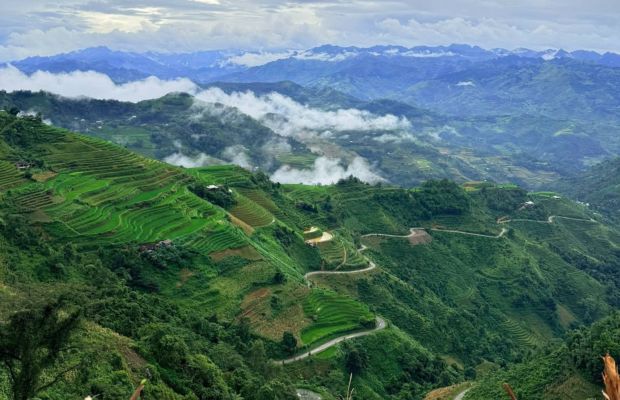
Ha Giang Loop
Along the Ha Giang loop, you will travel through Quan Ba Heaven Gate, Yen Minh, Dong Van, Ma Pi Leng Pass, Meo Vac, etc. These stops offer diverse scenery and cultural experiences. Thanks to the perfect blend of breathtaking nature, rich cultural heritage, and adventure, the Ha Giang loop is undoubtedly a journey that you should not miss. It is home to more than 20 ethnic minority groups, including the H'Mong, Tay, Dao, Lo Lo, and Giay communities, giving visitors the opportunity to experience authentic local traditions that have been preserved for generations. Therefore, whether you're riding a motorbike, joining an Easy Rider tour, or traveling by private car, the loop promises an adventure unlike anywhere else.
Best time to visit the Ha Giang loop
The Ha Giang loop can be visited year round, with each season offering a unique perspective of Vietnam's northern highlands. From vibrant flower blooms and lush green mountains to golden rice terraces and misty winter landscapes, the route changes dramatically throughout the year. Let’s explore the loop through each season to choose the best time to visit it.
Ha Giang Loop in spring
Spring, which lasts from February to April, is a pleasant season to visit the Ha Giang loop. Villages across Quan Ba, Yen Minh, Dong Van, and Meo Vac are awash with the pink of peach blossoms, the pristine white of plum and pear blossoms, and the brilliant yellow of mustard flowers. The weather is generally mild and dry, with comfortable temperatures that are perfect for motorbike rides, trekking, and sightseeing.
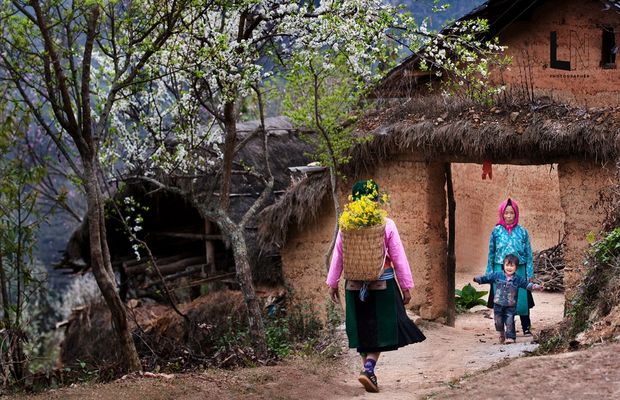
Ha Giang in spring
Ha Giang loop in the summer
Summer in the Ha Giang loop lasts from May to July. This season transforms Ha Giang into a vibrant landscape of lush green rice terraces and rolling hills. Although this is the rainy season, showers are often short and are followed by clear skies. When you visit the loop this time, you can go boating on the Nho Que River, explore the Ma Pi Leng Pass, walk through Dong Van Town, etc.
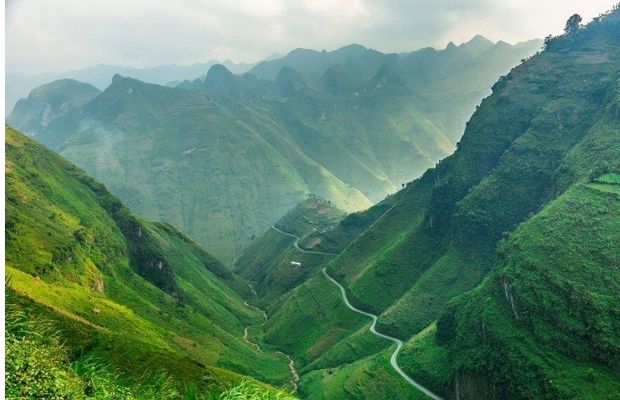
Ma Pi Leng Pass
Ha Giang Loop in autumn
Many travelers consider autumn, which is from August to November, the best time to visit the Ha Giang Loop. September and early October catch the rice terraces around Hoang Su Phi and Du Gia at their golden ripening peak. October and November bring cooler temperatures and clear blue skies, while the famous pink and white buckwheat flowers begin to bloom across the mountains.
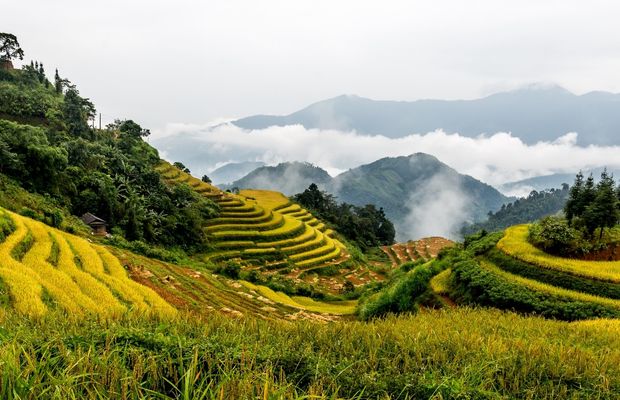
Terraced rice fields in Ha Giang
Ha Giang loop in the winter
From December to February, the Ha Giang loop comes to the winter, which offers a completely different experience. Temperatures can drop significantly, especially in the early morning and evening. At this time, peach and plum blossoms begin to appear, making it a wonderful time for travelers who enjoy peaceful landscapes and cooler weather.
No matter when you visit, the Ha Giang Loop promises breathtaking scenery and unforgettable cultural experiences. However, if you're looking for the perfect combination of pleasant weather, stunning landscapes, and excellent road conditions, September to November is widely regarded as the best time to experience this iconic road trip.
How many days do you need to explore the Ha Giang loop?
The ideal duration for exploring the Ha Giang Loop depends on your travel style and how much you want to experience along the way. Most travelers choose to stay here for four days three nights for a complete experience. This allows enough time to enjoy the breathtaking scenery, visit the main attractions, interact with local communities, and travel at a comfortable pace without feeling rushed.
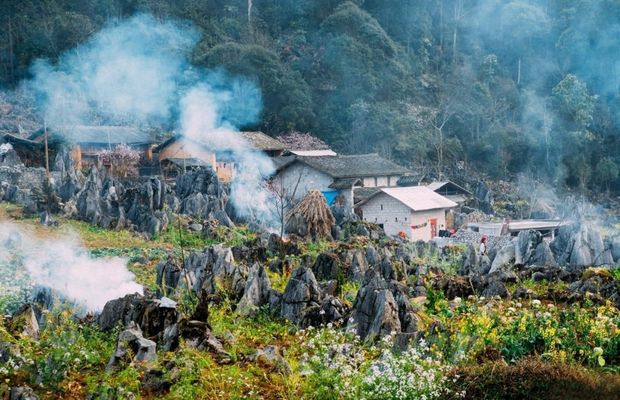
Dong Van Karst Plateau
In addition to the famous landmarks, you'll have time to visit quieter destinations like Du Gia, stay in local homestays, enjoy scenic trekking routes, and connect with ethnic communities along the way. If you prefer a slower, more immersive journey, consider spending five days or longer on the Ha Giang Loop. Thanks to this, you can explore off-the-beaten-path villages, visit local markets, discover hidden waterfalls, and enjoy authentic cultural experiences beyond the main tourist route. You will also have more times for taking photos and immersing in nature.
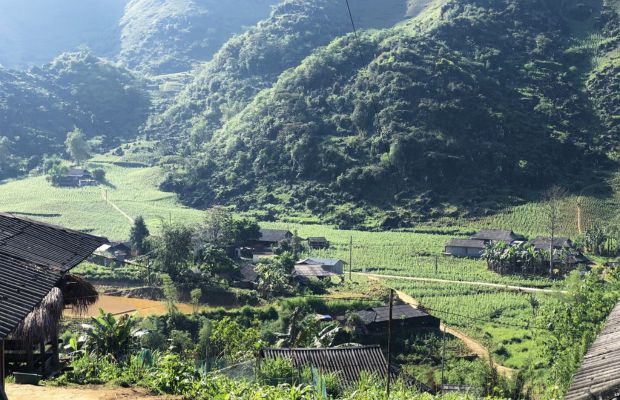
Du Gia
No matter how many days you choose, the Ha Giang Loop promises unforgettable landscapes and authentic cultural encounters. However, if it's your first visit, 4 days and 3 nights offers the best balance between adventure, sightseeing, and meaningful local experiences.
Best stops on the Ha Giang loop
The stops on the Ha Giang loop are amazing, from the karst gateway at Quan Ba to the quiet rice paddies of Du Gia. Let’s explore some best stops on the Ha Giang loop with us!
Quan Ba Heaven Gate and the Twin Mountains
Quan Ba Heaven Gate marks the point where the road climbs into full karst territory. Just beyond the gate, a viewpoint looks out over the Twin Mountains (Nui Doi Quan Ba). These two symmetrical hills are called the "Fairy Bosom" due to the legend behind their shape. These two spots are ideal stops on the Ha Giang Loop that allow you to admire the breathtaking scenery of Northern Vietnam.
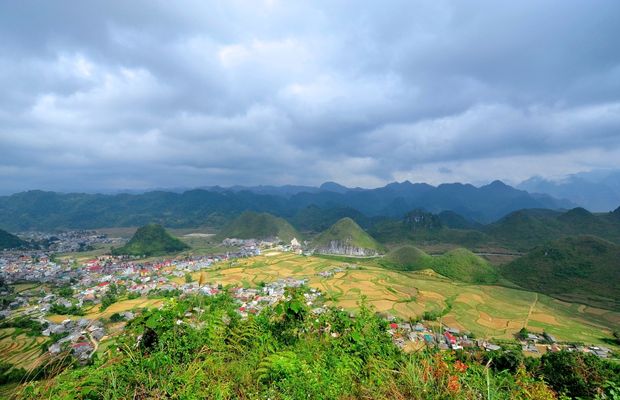
View from Quan Ba Heaven Gate
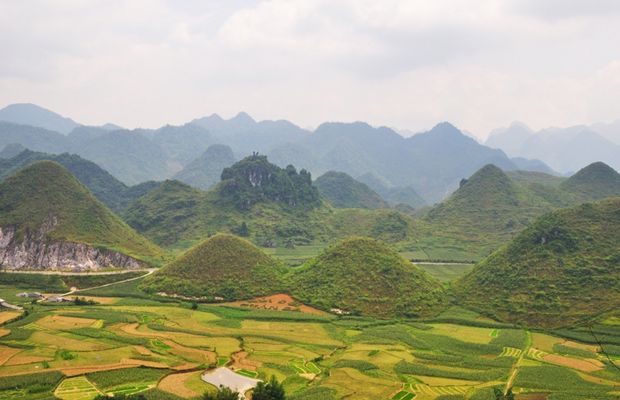
Quan Ba Twin Mountains
Dong Van Old Quarter
Rich in history and culture, Dong Van Old Quarter is one of the highlighted stops on the Ha Giang Loop. This is home to many ethnic groups, including the Hmong, Hoa, Tay, Dao, Nung, and Kinh. Visiting the old quarter, you should not miss walking around the town, exploring Dong Van Sunday Market, and enjoying Ha Giang’s specialties.
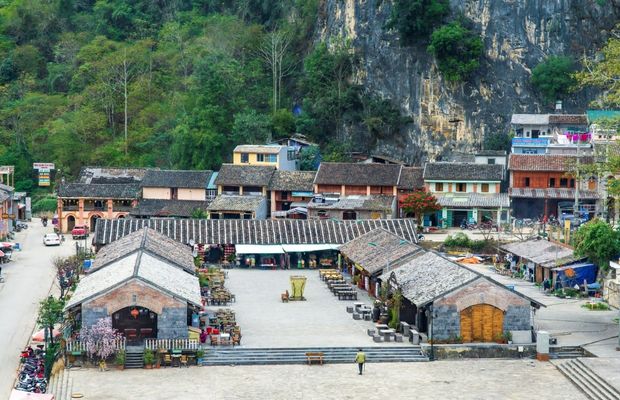
Dong Van Ancient Town
Ma Pi Leng Pass and Nho Que River
Ma Pi Leng Pass is undoubtedly one of the best stops on the Ha Giang Loop due to the majestic landscape it offers. Stretching 20 kilometers, the pass is among the most spectacular roads in Vietnam. Many travelers pause at Ma Pi Leng Skywalk or take a short boat ride on the Nho Que to see the canyon walls from the water instead of the road.
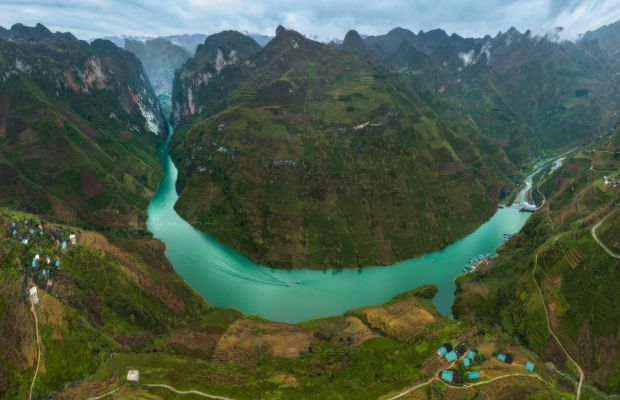
Nho Que River
Meo Vac Town
Nestled among towering limestone peaks, Meo Vac Town is also among the popular stops on the Ha Giang loop. The town ttracts tourists with its majestic limestone mountain ranges, magnificent natural landscapes, and the peaceful atmosphere of the rocky plateau. Meo Vac has a long history and is home to many ethnic minority groups such as the Hmong, Tay, and Lo Lo people.
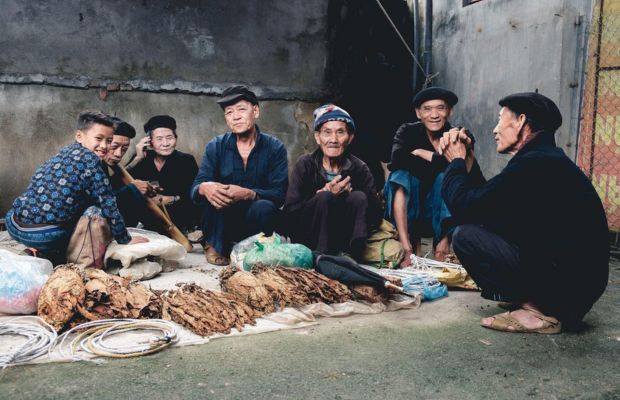
Meo Vac Market
Du Gia Valley
Compared to other stops on the Ha Giang loop, Du Gia valley is less visited. However, it is still a perfect place to slow down, stay in a local homestay, and experience the authentic rhythm of rural life. The landscape here is impressive, with rice paddies and Tay-style stilt houses.
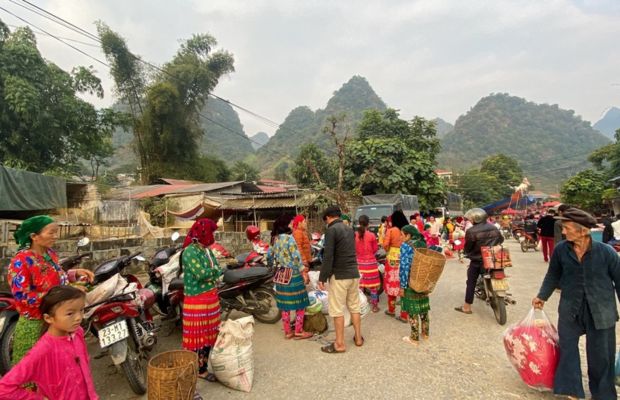
Du Gia Market
Besides the above spots, Ha Giang loop also owns many other amazing stops. Let’s refer to our post here for more detailed information: Exploring the top 09 stops on the Ha Giang loop.
Best Ha Giang loop itinerary
As mentioned above, it is ideal to explore the Ha Giang loop in four days three nights. So, here’s your recommended itinerary.
Day 1: Ha Giang Ward - Quan Ba - Yen Minh
Start your adventure in Ha Giang Ward and travel through Bac Sum Pass, Quan Ba Heaven Gate, and the iconic Twin Mountains. Continue along scenic mountain roads before spending the night in the peaceful town of Yen Minh.
Day 2: Yen Minh - Lung Cu - Dong Van
In this day, you can explore the H'Mong King's Palace, visit Lung Cu Flag Tower, and arrive in Dong Van Old Quarter. Here you can stroll through its charming streets and enjoy the local atmosphere.
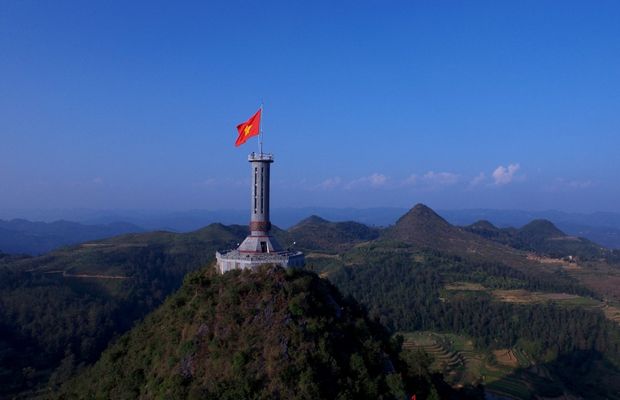
Lung Cu Flag Tower
Day 3: Dong Van - Ma Pi Leng Pass - Nho Que River - Meo Vac - Du Gia
Cross the legendary Ma Pi Leng Pass, one of Vietnam's most spectacular mountain roads, before taking an optional boat trip along the emerald Nho Que River. Then, your Ha Giang loop itinerary will continue through Meo Vac and end the day in the tranquil village of Du Gia, surrounded by mountains and rice fields.
Day 4: Du Gia - Ha Giang Ward
Spend the morning exploring the peaceful countryside around Du Gia, then make your way back to Ha Giang Ward. You will pass through picturesque valleys and local villages to complete your unforgettable Ha Giang Loop adventure.
How to travel the Ha Giang loop?
There are several ways to explore the Ha Giang Loop, and you can choose a suitable option for your budget and travel style. Whether you're seeking adventure on a motorbike or prefer a more comfortable journey, each option offers a unique way to experience the breathtaking landscapes of northern Vietnam.
Self-riding motorbike
For experienced riders, riding your own motorbike is the most adventurous way to complete the Ha Giang Loop. It offers complete freedom to stop at scenic viewpoints, explore hidden villages, and travel at your own pace. However, if you want to drive the motorbike on your own, you must have the International Driving Permit. Besides, as the mountain roads include steep climbs and sharp bends, you must be confident with driving to ensure safety.
Easy rider
An Easy Rider tour is one of the most popular choices, especially for first-time visitors. Instead of riding yourself, you'll sit behind an experienced local driver who knows the mountain roads and hidden gems along the route. Thanks to this, you can relax, enjoy the spectacular scenery, and learn more about the local culture without worrying about navigation or road conditions.
Private car tour
Traveling by private car is the most comfortable option to explore the Ha Giang Loop for families, couples, or travelers who prefer not to ride a motorbike. With an experienced driver, you can enjoy the same stunning landscapes while stopping at major attractions such as Quan Ba Heaven Gate, Dong Van, and Ma Pi Leng Pass. If you want to hire a private car, feel free to contact us.
Join a guided tour
If you prefer a hassle-free experience, joining a guided Ha Giang Loop tour is a great option. Most tours include transportation, accommodation, meals, entrance fees, and a knowledgeable local guide, allowing you to focus entirely on enjoying the journey.
What to pack?
Packing wisely can make your Ha Giang Loop adventure much more comfortable, as the weather and road conditions can change quickly throughout the journey. Let’s see what to pack for your journey with us!
Clothing
Dress in comfortable, lightweight clothing that is suitable for outdoor activities, but don't forget to pack a warm jacket or fleece for the cooler mornings and evenings, especially between October and February. A waterproof jacket is also essential, as sudden rain showers are common during the summer months.
Footwear
Comfortable walking or trekking shoes are highly recommended for exploring villages, viewpoints, and short hiking trails. If you're riding a motorbike, closed-toe shoes provide better protection and grip than sandals.
Travel essentials
Don't forget your passport, cash (many remote areas do not accept cards), sunscreen, sunglasses, insect repellent, reusable water bottle, and a power bank to keep your devices charged throughout the day. Mobile signal can be limited in some areas, so downloading offline maps before your trip is also a good idea.
Camera and personal items
The Ha Giang Loop is one of Vietnam's most photogenic destinations, so make sure to bring a camera or smartphone with enough storage for photos and videos. Let’s take the opportunities to capture stunning scenery and moments!
Ha Giang loop travel tips
Besides packing appropriately, you may want to make some other preparations to make your journey safer and more enjoyable. Here are some practical tips to help you make the most of your adventure.
- Starting early
Set off early in the morning to enjoy cooler temperatures, clearer mountain views, and quieter roads. Starting early also gives you plenty of time to stop at scenic viewpoints and local villages without feeling rushed before sunset.
- Riding safely
If you ride your motorbike yourself, you may want to ride at a comfortable speed, always wear a quality helmet, and never attempt difficult sections if you're not confident. If you have little or no motorbike experience, you can choose other ways to explore the Ha Giang loop.
- Checking the weather before you go
Mountain weather can change quickly, especially during the rainy season. Check the forecast before setting out each day and be prepared for occasional rain, fog, or cooler temperatures at higher elevations.
- Respecting local communities
The Ha Giang Loop is home to many ethnic minority groups with unique traditions and customs. So, let’s dress respectfully, ask permission before photographing local people, and support family-run businesses by staying in local homestays or purchasing handmade products.
- Leaving no traces
Help preserve Ha Giang's natural beauty by taking your rubbish with you, using a reusable water bottle, and staying on designated roads and trails. Responsible travel helps protect the landscapes and communities that make the Ha Giang Loop such a special destination.
FAQs
- Can the Ha Giang Loop be explored by car?
Yes, you can take a private car or join a guided tour to explore the Ha Giang Loop. Besides ensuring safety, this way also allows you to stop at outstanding spots on the loop, exchange with local people, and learn about local culture.
- Is the Ha Giang Loop suitable for beginners?
Yes, but only if you join an Easy Rider tour or travel by private car. If you have little or no experience riding a motorbike, it's not recommended to ride the loop yourself due to its winding mountain roads, steep passes, and changing weather conditions.
- Do I need a permit to travel the Ha Giang Loop?
Yes. Foreign travelers are generally required to obtain a Ha Giang Permit (also known as a border area permit) to visit certain areas along the loop, including Dong Van and Lung Cu.
- How much does a Ha Giang Loop trip cost?
The cost depends on your travel style and duration. Budget travelers can complete the loop for around USD 150–250, while guided tours with accommodation, meals, and an Easy Rider will cost you more.
- Is the Ha Giang Loop worth visiting?
Definitely. With its dramatic mountain landscapes, iconic passes like Ma Pi Leng, vibrant ethnic cultures, and authentic village life, the Ha Giang Loop is widely regarded as one of the most unforgettable road trips in Vietnam and Southeast Asia.
In conclusion, you have just known what you need to plan for the Ha Giang loop, from choosing your days and season to understanding the stops for your adventure. If you want to take a Ha Giang loop tour package or tailor your itinerary, don’t hesitate to contact our team.