__hanoi-water-puppets.jpg)
__angkor-wat-blue-reflections.jpg)
__vientiane-buddha-park-monks.jpg)
__bagan-dhammayazika-dusk.jpg)


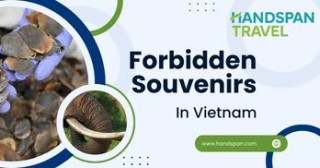
When traveling to Vietnam, many tourists often want to bring back unique souvenirs. However, not all products sold in the market are legal to buy or bring across the border. Below are some forbidden souvenirs in Vietnam that are prohibited or strictly restricted, which you need to pay special attention to in order to avoid legal trouble.
- Products made from endangered wildlife
- Items made from protected plants
- Artifacts and cultural heritage
- Coral and marine life
- Traditional medicines
- Bird nest from protected species
- Products made from illegal logging or deforestation
- Shells or stones from protected areas
- Traditional souvenirs linked to exploitation
Let’s explore each type of souvenir group with Handspan Travel!
Products made from endangered wildlife
Products derived from wildlife on both international and Vietnamese protected animal lists are forbidden souvenirs in Vietnam. This includes items made from elephant ivory, turtle shells, pangolin scales, tiger claws, or tiger teeth. Additionally, fashion items made from snake or crocodile skin (such as handbags, belts, and shoes) may be confiscated if they lack documentation proving their legal origin. The trade in these products directly contributes to the poaching and trafficking of wildlife.
Items made from protected plants
Items made from protected plants are also among the forbidden souvenirs in Vietnam. Some types of wood and plants in Vietnam are classified as rare and require conservation. Products made from rosewood, agarwood, sandalwood, or rare wild orchids are not allowed to be taken out of the country without a special permit. Even when advertised as "traditional handicrafts," these items may still violate forest protection and biodiversity laws.
Artifacts and cultural heritage
Among the forbidden souvenirs in Vietnam, artifacts and cultural heritage are also notable. Vietnam has a very strict legal system for protecting cultural heritage. Ancient artifacts, statues, religious objects, and archaeological relics such as ancient coins or ceramics of historical value are prohibited from export, unless they are officially licensed copies. Tourists who mistakenly buy genuine antiques may face confiscation of their goods and heavy penalties.
Coral and marine life
Decorative items or jewelry made from dried coral, starfish, seahorses, or sea turtle shells are among the prohibited souvenirs in Vietnam. These creatures play an important role in the marine ecosystem, and their exploitation for souvenirs seriously impacts Vietnam's marine environment.
Traditional medicines
Some traditional Chinese medicine products or "tonic" products may contain ingredients derived from wild animals such as bear bile, rhinoceros horn, or tiger derivatives. Despite being promoted as traditional remedies, these products are not only banned from export but also violate international conventions on animal conservation. Therefore, these traditional medicines are forbidden souvenirs in Vietnam. You may want to note this to avoid being punished.
Bird nest from protected species
Edible bird's nests are a highly valued delicacy; however, if the nests originate from species on the protected list, buying, selling, and exporting them from Vietnam is illegal. Bird nests from protected species are forbidden souvenirs in Vietnam. You should be especially cautious with bird's nest products that lack clear certification.
Products made from illegal logging or deforestation
Furniture, handicrafts, or decorative items made from illegally harvested wood are also forbidden souvenirs in Vietnam. Purchasing these products inadvertently contributes to deforestation and environmental degradation.
Shells or stones from protected areas
Collecting seashells, rocks, or sand from beaches, national parks, or nature reserves is prohibited. While seemingly harmless, this action impacts the natural landscape and ecosystem and can result in penalties if discovered at an airport.
Traditional souvenirs linked to exploitation
Some traditional souvenirs are mass-produced under unsafe working conditions or use materials from endangered species, and these should also be avoided. Choosing souvenirs with transparent origins and sustainable production methods not only helps tourists avoid legal risks but also contributes to protecting local communities.